
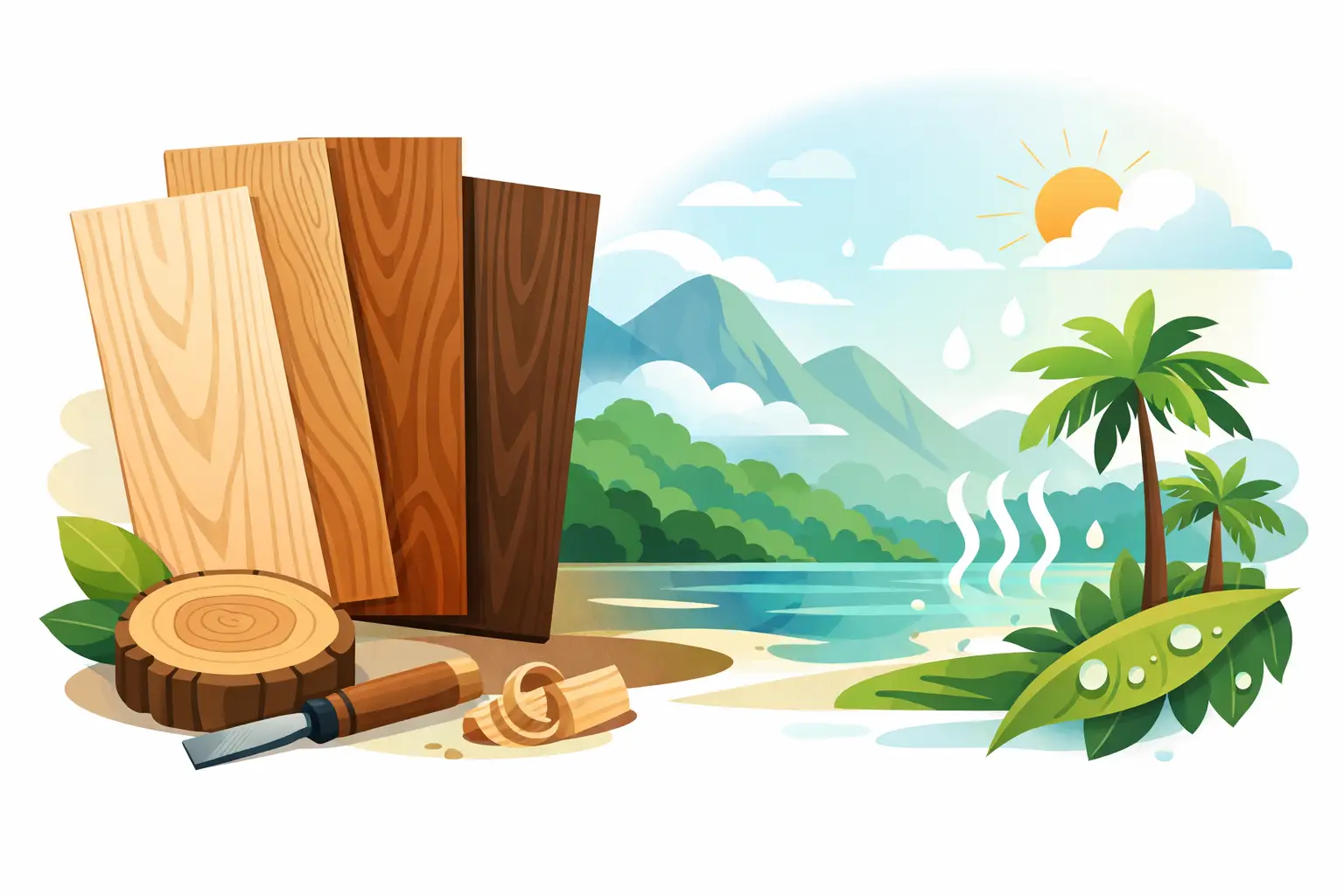
Humidity is where many wood flooring decisions go wrong. A species that looks excellent in a showroom can behave very differently once it is installed in a tropical home, a busy office or a coastal commercial space. If you are weighing up the best wood species for humid climates, the real question is not just appearance - it is how the timber will respond to moisture movement, daily use and long-term maintenance.
In Malaysia and similar environments, wood flooring needs to do more than look warm and premium. It has to stay stable through seasonal changes, air-conditioning cycles and naturally high ambient moisture. That is why species selection matters from the start.
What makes wood suitable for humid conditions?
No wood is completely immune to moisture. Timber is a natural material, so it expands and contracts as humidity changes. The goal is to choose species that are comparatively stable, dense enough for the intended use and compatible with the right construction method, finish and installation approach.
For flooring, humidity performance usually comes down to a few practical factors. Dimensional stability matters because some species move less than others. Density matters because harder woods generally cope better with traffic and denting, although very dense timbers can still move if they are poorly installed. Grain structure also plays a part, as interlocked or more consistent grain can influence how a board behaves over time.
Just as important is the format of the product. In humid climates, engineered wood flooring often performs more predictably than solid timber because its layered construction improves stability. The species you choose is still important, but it works best when paired with the right board construction and site preparation.
Best wood species for humid climates: the reliable choices
Teak
Teak remains one of the most trusted species for humid environments, and for good reason. It contains natural oils that help it resist moisture better than many other hardwoods. That does not mean it can be neglected, but it does give teak a practical advantage in tropical settings.
Its stability is one of its strongest points. Teak is less prone to dramatic movement than many alternatives, which makes it a dependable option for homes, hospitality spaces and selected commercial interiors. Visually, it offers a warm, established look that suits both traditional and contemporary schemes.
The trade-off is cost. Genuine teak sits at the premium end of the market, so it is often chosen where long-term performance and appearance justify the investment.
Merbau
Merbau is a familiar choice across South East Asia because it combines durability, strength and a rich appearance. It is a dense hardwood with good resistance to wear, making it suitable for both residential and heavier-use interiors.
In humid climates, merbau performs well when properly seasoned and installed. It has the weight and hardness many clients want, especially for spaces where the floor needs to feel solid underfoot. Its deep reddish-brown tones also make it attractive for projects aiming for a more substantial timber look.
One practical point with merbau is that it can contain tannins or oil-like extractives, especially when new. Proper finishing and preparation are important to avoid issues during installation.
Balau
Balau is another tropical hardwood often considered for demanding conditions. It is known for high density and durability, which can make it a good fit for areas where strength is a priority. In the right application, balau offers a hard-wearing surface with a distinctly natural timber character.
That said, density alone does not guarantee easy performance. Very dense woods can be more demanding to machine and install, and they need careful moisture control before fitting. Balau can be an excellent choice, but it benefits from experienced handling and a clear understanding of the site conditions.
Oak, especially in engineered format
Oak is not a tropical species, yet it still deserves a place in this conversation because it is one of the most widely specified timbers in flooring. On its own, solid oak may not be the first recommendation for highly humid climates. However, engineered oak flooring is often a very practical solution.
The oak wear layer gives the familiar grain and visual flexibility many homeowners, designers and commercial clients want. At the same time, the engineered core improves dimensional stability. This is especially useful in air-conditioned interiors where temperature and humidity can shift across the day.
If the design brief calls for lighter tones, classic grain and a more international finish, engineered oak often gives a better balance of appearance and performance than solid boards in tropical conditions.
Walnut, used selectively
Walnut is chosen more for appearance than for brute durability, but in the right engineered format it can still work well in humid indoor environments. It offers a darker, more refined look that suits high-end residential projects, executive offices and selected hospitality interiors.
The key word is selectively. Walnut is softer than teak, merbau or balau, so it is not usually the first choice for heavily trafficked spaces. Where the visual requirement is strong and the usage is moderate, it can be a very effective option.
Species that may need more caution in high humidity
Some timbers are beautiful but less forgiving. Beech and maple, for example, can be more reactive to moisture movement. In climates with consistently high humidity, they may require tighter environmental control and more careful product selection.
This does not make them unsuitable in every case. It simply means the margin for error is smaller. For clients who want natural wood with fewer risks, more stable species or engineered constructions are usually the safer route.
Solid timber or engineered wood?
This is often the more important decision than species alone. In humid climates, solid timber flooring can still work well, but only when the species, board size, site conditions and installation details all align. If any one of those factors is overlooked, the floor may cup, gap or move more than expected.
Engineered wood flooring is often the more practical answer for tropical interiors. Because it is built from multiple layers, it is generally more stable than solid wood. That makes it well suited to flats, offices, retail spaces and landed homes where indoor conditions vary between air-conditioned and naturally ventilated areas.
For many projects, the best result comes from combining a stable top species such as oak, teak or walnut with a quality engineered construction. This gives the look of real wood with better control over movement.
Installation matters as much as species choice
Even the best wood species for humid climates can fail if the installation is rushed or the subfloor is not ready. Moisture testing, acclimatisation, adhesive selection and expansion allowances are not minor details. They are central to the floor's long-term performance.
Subfloor moisture has to be checked before installation begins. The site should also be reasonably close to normal operating conditions, especially in enclosed interiors. If a floor is installed before the building is dry, the timber may absorb excess moisture from below and begin to move prematurely.
Board width also matters. Wider planks are visually popular, but they tend to show more movement than narrower boards in fluctuating humidity. Where a project calls for wider boards, engineered construction becomes even more valuable.
Matching wood species to the space
For homes, teak and engineered oak are often strong choices because they balance comfort, appearance and manageable maintenance. In busy family settings, harder species such as merbau may offer better resistance to wear.
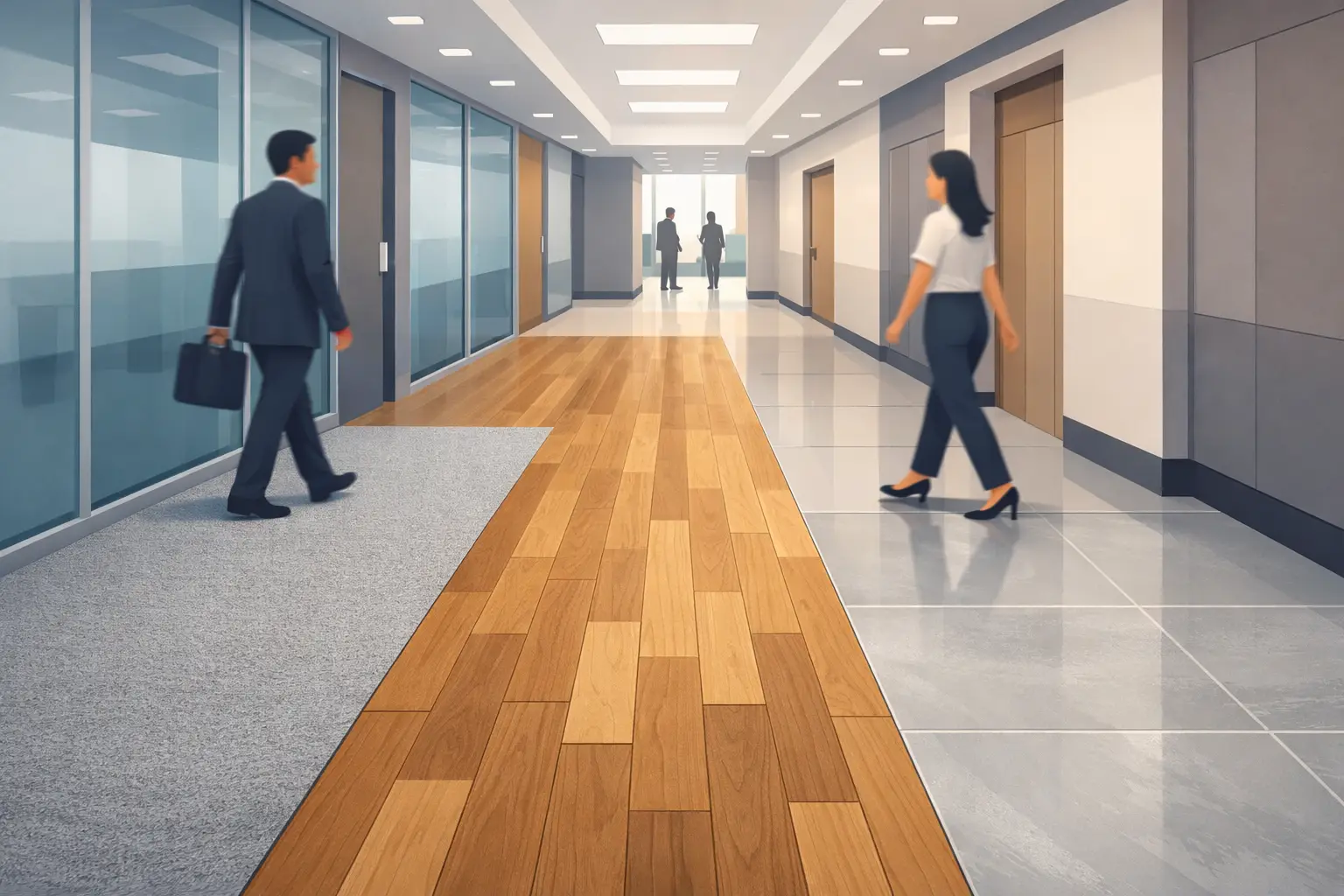
For offices and commercial interiors, the right answer depends on traffic levels and the desired finish. Dense tropical hardwoods can perform very well, but engineered systems may offer better consistency across larger areas, especially where air-conditioning runs daily.
For hospitality and premium residential work, appearance can carry more weight. That is where walnut, teak or selected engineered oak products tend to stand out. The practical question is always the same: will the floor's performance suit how the space is actually used?
At Professional Surfaces, this is why species selection is usually discussed alongside construction type, finish system and installation method rather than as a stand-alone product decision.
The finish and maintenance question
A suitable species still needs the right surface protection. In humid climates, a good finish helps reduce day-to-day moisture exposure from spills, cleaning and foot traffic. It also affects the look and maintenance cycle of the floor.
Oil finishes can enhance the natural character of timber, but they may require more regular upkeep. Lacquered or UV-cured finishes often provide a more sealed surface and can be easier for clients managing commercial or family environments. Neither is automatically better - it depends on the design intent and maintenance expectations.
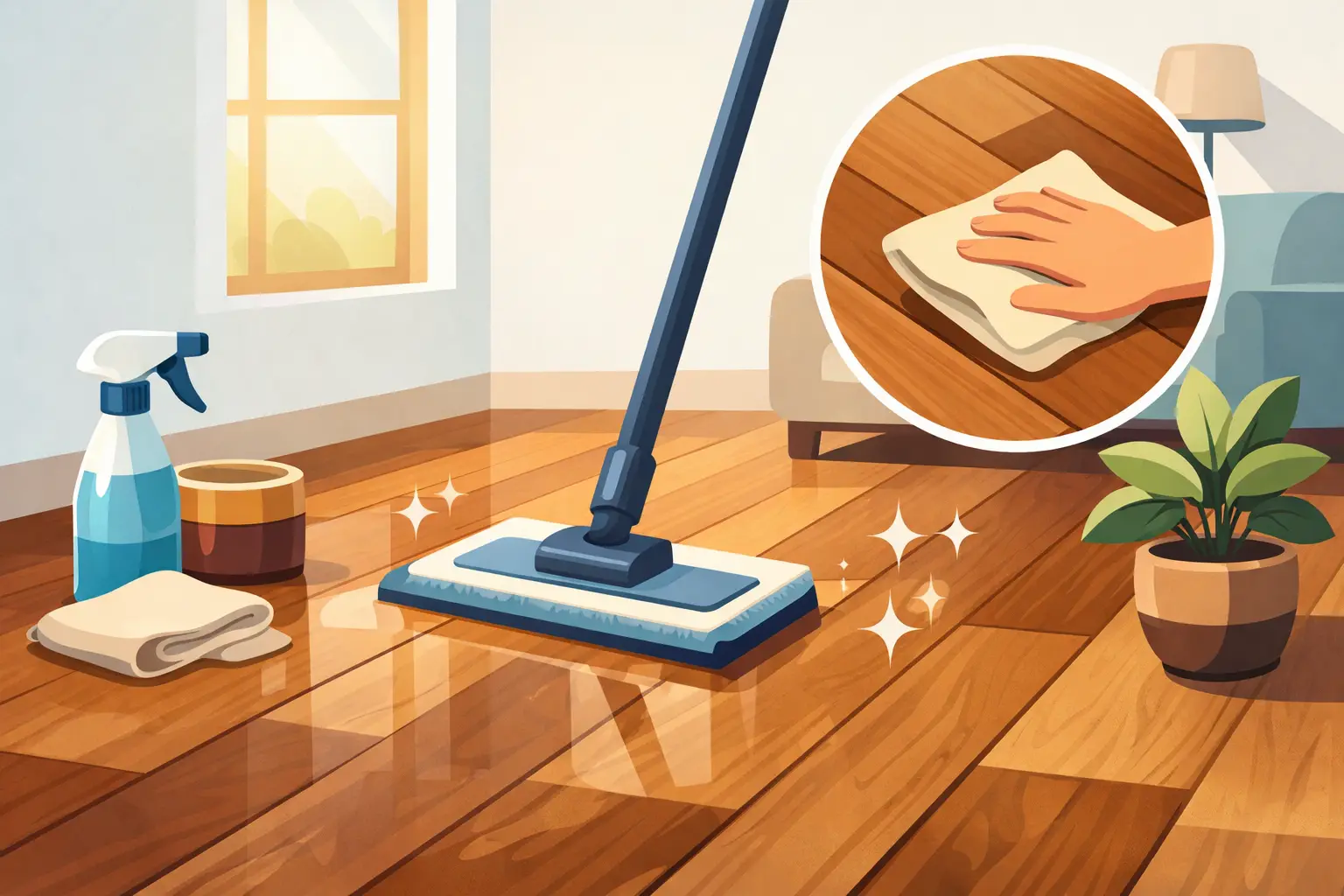
Regular cleaning, prompt attention to spills and sensible control of indoor humidity will all help preserve the floor. Wood is durable, but it is not a fit-and-forget material.
Choosing timber for a humid climate is really about making fewer assumptions and asking better questions. The species matters, but so do the board construction, site condition and installation standard. When those elements are aligned, wood flooring can perform beautifully even in demanding environments.