

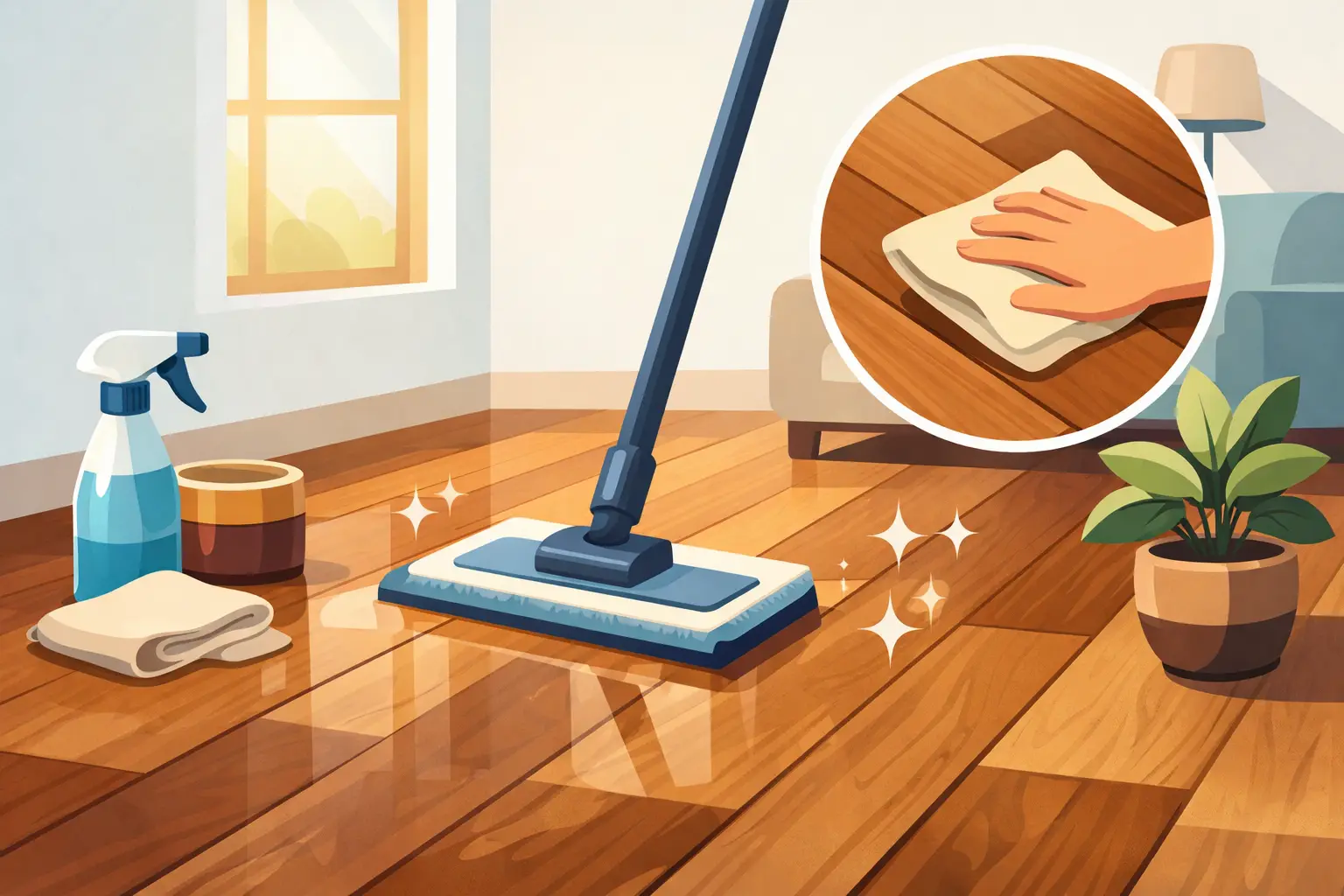
A solid wood floor can look exceptional for decades, but only if it is treated like the natural material it is. Solid wood flooring maintenance is not complicated, yet it does demand consistency. The small habits matter most: how often the floor is cleaned, how moisture is managed, and whether scratches are dealt with early or left to build up.
For homeowners, that usually means preserving appearance without creating a high-maintenance routine. For offices, retail spaces and other commercial settings, it means protecting an investment while keeping the surface presentable under daily traffic. In both cases, the principle is the same - timber performs well when cleaning methods, indoor conditions and long-term care are aligned with the floor’s finish and species.
What solid wood flooring maintenance really involves
Many people assume timber floor care is mainly about polishing. In practice, maintenance starts much earlier than that. It begins with removing abrasive dirt before it wears the finish, controlling indoor moisture before boards expand or shrink too much, and choosing the correct cleaning product rather than using whatever is already in the store cupboard.
Solid wood moves with its environment because it is a natural product. Malaysia’s climate adds another layer to that. Humidity, tracked-in rainwater and air-conditioning can all affect how the floor behaves over time. A well-installed floor will accommodate normal movement, but poor maintenance can still lead to preventable issues such as staining, dullness, edge swelling or surface scratches.
That is why solid wood flooring maintenance should be viewed in three parts: day-to-day cleaning, preventive protection and periodic restoration. If one of those is ignored, the floor usually starts to show it.
Daily and weekly care for solid wood flooring maintenance
Routine care does most of the heavy lifting. Dust, grit and fine sand are often more damaging than people expect because they act like abrasives underfoot. In a house, this tends to show around entrances, dining areas and hallways. In commercial spaces, it appears near reception areas, lift lobbies and circulation routes.
The floor should be swept with a soft broom or cleaned with a vacuum fitted with a hard floor attachment. The aim is to lift debris without dragging a hard edge across the surface. A microfibre mop is also useful for regular dry cleaning, especially where fine dust settles quickly.
When a deeper clean is needed, use a lightly damp mop rather than a wet one. This distinction matters. Solid wood and standing water do not mix well, even when the boards are properly sealed. Excess water can seep into joints, affect the finish and, over time, contribute to movement or discolouration. The mop should feel barely damp, not saturated.
Cleaning solutions should be matched to the floor finish. Lacquered or polyurethane-finished floors usually need a pH-neutral wood floor cleaner. Oiled floors often require a product designed specifically for oil-finished timber, because the maintenance system is different. Generic household detergents can leave residues, dull the surface or interfere with future recoating.
Moisture control is where many problems begin
If there is one issue that repeatedly shortens the life of timber floors, it is poor moisture control. Water from shoes, plant pots, pantry spills or routine mopping can cause far more damage than ordinary foot traffic.
Spills should be wiped up promptly, not later in the day. This is especially important with coffee, wine, oil, cleaning chemicals and pet accidents, all of which can stain or react with the finish if left too long. Entry mats at external doors help reduce both moisture and abrasive dirt, but they need to be cleaned regularly as well. A mat full of grit eventually stops helping.
Air-conditioning also affects timber. In many Malaysian interiors, cooling systems run for long hours, especially in offices and commercial units. That can create localised drying, while other areas remain more humid. The result may be slight gaps between boards at one time of year and tighter joints at another. Some movement is normal. The goal is not to eliminate it entirely but to keep conditions as stable as possible.
Bathrooms and constantly wet service zones are generally poor candidates for solid wood, but adjacent areas still need care. If water regularly travels out from a wet zone onto timber flooring, maintenance alone will not solve the problem. The layout and detailing need attention too.
Preventing scratches, dents and wear
Most visible wear comes from pressure, friction and neglect rather than from age alone. Chair legs, wheeled furniture, grit on shoes and heavy objects dragged across the floor all leave marks that are difficult to ignore once the light catches them.
Furniture pads are a simple but effective preventive measure. They should be fitted to chairs, tables and movable pieces, then replaced once they become compressed or dirty. For office seating, castors suitable for hard flooring make a difference, especially in meeting rooms and workstations where movement is frequent.
Footwear habits also affect the floor. High heels, cleats and hard-edged shoes can concentrate pressure into small contact points. In homes, a no-shoes approach can extend surface life considerably. In commercial projects, that is not always realistic, so protection has to come from the floor specification, entrance control and maintenance planning.
Sunlight is another factor people notice late. Timber changes colour over time, and some species darken or mellow when exposed to light. Rugs and furniture can leave lighter areas where the floor has aged differently. This is not necessarily a defect - it is part of how natural wood behaves - but rotating rugs and adjusting layouts from time to time can help the floor age more evenly.
Knowing the finish changes the maintenance plan
Not all solid wood floors should be treated the same way. The finish determines both the look and the maintenance strategy.
A lacquered or polyurethane-coated floor has a surface film that resists dirt and minor spills well. It is usually easier for routine cleaning and suits many residential and commercial settings. However, once the surface film is deeply scratched or worn through in traffic lanes, it may need professional recoating or sanding rather than spot treatment.
An oiled floor has a more natural appearance and can be easier to repair locally in some cases. The trade-off is that it generally requires more regular upkeep. Maintenance oil may need to be applied periodically, especially in high-use zones, to keep the timber protected and the finish looking even.
Waxed systems are less common today in many projects but still exist. They can offer a rich visual character, though they demand the right maintenance products and can be less forgiving if the wrong cleaner is used.
If there is any uncertainty about the finish, it is worth checking before applying new products. One incorrect cleaner can create a patchy surface or complicate restoration later.
When cleaning is no longer enough
There comes a point when routine cleaning will not bring the floor back. The signs are usually clear: worn traffic paths, ingrained dirt that sits below the finish, fine scratches across large areas, dullness that remains after cleaning, or isolated boards with heavier damage.
At that stage, the right approach depends on the condition of the floor. Sometimes a maintenance coat or refresher treatment is enough. In other cases, sanding and refinishing are the better option. Solid wood has a real advantage here because it can usually be sanded and restored more than once, depending on board thickness and previous work carried out.
This is where professional assessment matters. Sanding too early can remove service life unnecessarily, while waiting too long may allow deeper damage to develop. A technically grounded supplier and installer can advise whether the floor needs localised repair, a full recoat or complete refinishing. For clients managing larger sites, that advice can help plan refurbishment without unnecessary disruption.
Professional Surfaces has built its reputation on exactly this kind of practical support - supplying, installing and refurbishing floor systems based on how they perform in real use, not just how they look on day one.
A sensible maintenance plan for homes and commercial spaces
The best maintenance plan is one people will actually follow. In a home, that may mean dry cleaning several times a week, immediate spill removal, and occasional damp mopping with the correct product. In a commercial setting, it often means a more structured schedule with higher attention to entry points, circulation routes and furniture movement.
High-traffic areas may need more frequent cleaning, while quieter zones need less intervention. That sounds obvious, but many floors wear unevenly simply because every area is treated the same. A reception path used all day should not be maintained as if it were a private office corner.
It also helps to think ahead. If refurbishment is likely in five to seven years under heavy use, the maintenance routine should be built to extend that cycle where possible. Preventive care costs less than restoration, and restoration costs less than premature replacement.
Solid wood rewards owners who take a steady, informed approach. Clean it gently, keep water under control, protect it from avoidable wear, and act before small defects become wider damage. When the floor is treated as part of the building’s long-term performance rather than just a decorative finish, it tends to return the favour for many years.